
How Texas Weather Affects Your Roof
Your home's roof is its primary defense against the unpredictable and often intense weather conditions we experience here in Texas. While it's easy to overlook this vital component, understanding how our unique climate affects your roof is crucial for its longevity and your home's protection. At Burt Chandler Company Inc., the best roofing company in Dallas, we believe in arming homeowners with knowledge to make informed decisions about their roofing.

The Onslaught of Hail Storms
Even seemingly small hailstones can bruise or crack shingles, dislodge protective granules, and compromise your roof's integrity over time. Larger hail can cause punctures or significant structural issues. After a hail event, even if damage isn't immediately obvious from the ground, it's wise to have a professional inspection. For those needing a new roof due to hail, choosing Burt Chandler Company Inc. means you receive a free upgrade to our "Smart Roof," made of impact-resistant shingles, at the same cost as a traditional shingle roof.

The Force of High Winds
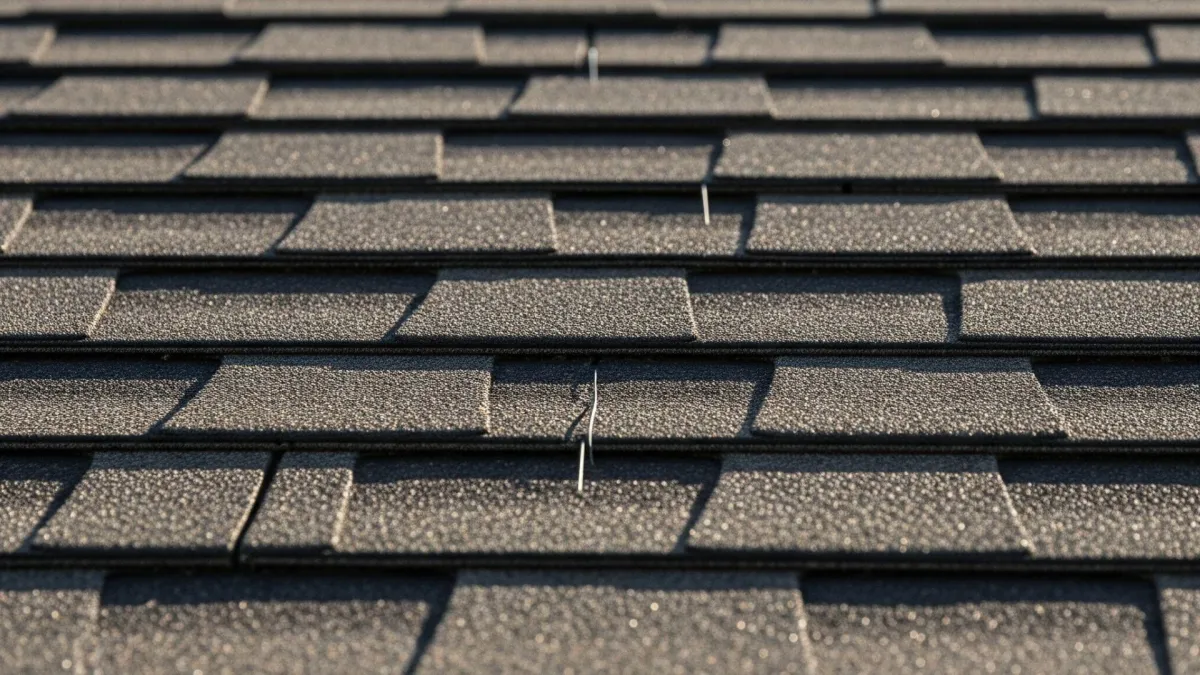
High winds, whether from thunderstorms, straight-line gusts, or even distant hurricanes, exert tremendous pressure on your roof. This can lead to lifted or missing shingles, particularly along edges and ridges. Flying debris carried by strong winds can also strike and damage roofing materials. To mitigate wind damage, ensure your roof is installed correctly by experienced roofing contractors, with proper fastening techniques. Regular checks for any loose or flapping shingles after windy events can help catch issues before they escalate.

Intense Heat and UV Radiation
Our scorching Texas summers bring relentless heat and powerful ultraviolet (UV) radiation, which are silent but constant adversaries for your roof. Prolonged exposure to high temperatures and UV rays can cause asphalt shingles to dry out, become brittle, crack, and lose their protective granules. This accelerates the aging process of roofing materials. Proper attic ventilation is key to dissipating heat buildup and reducing thermal stress on your roof.

Heavy Rain
Clogged gutters, damaged flashing around chimneys and vents, or compromised shingles can lead to water pooling, leaks, and eventual interior damage. Additionally, our high humidity levels can create conditions ripe for algae, mold, and mildew growth on roofing surfaces, which can trap moisture and degrade materials over time. Regular gutter cleaning and ensuring proper drainage are simple yet vital practices to guard against water-related issues.

